Plantar Fasciitis is a nasty inflammation of the tough tissue or tendon that runs along the bottom of the foot through the heel. It can really ruin your day. The way it manifests is that it is extremely painful to walk after any sort of rest, like sitting or sleeping. What happens is that when you have this condition, the inflamed tendon contracts from the rest since when at rest your foot usually straightens out. Think about it, when you sleep your feet tend to elongate. When this happens the tendon tightens. The first few steps after a rest period hurt like the dickens because now it has to stretch out and the rapid stretching and movement cause extreme pain. I endured this for about 2 years. I first went to a foot doctor who prescribed Celebrex. Yeah, the stuff that can cause a heart attack. It worked because those drugs inhibit the Cox 1 and 2 pathways, thus blocking the pain. Problem is once you stop taking it the pain comes back. Keep taking the medication for the long haul and your chances of a fatal heart attack increase.
As it turns out the things that helped me were changing my daily footwear choice and also wearing a night splint to bed. A night splint looks like an open ski boot. It keeps your foot/feet at a right angle, thus preventing the tendon from contracting. Over time this helps it to heal. For me the other great side effect is that I always tended to get a leg cramp in my left calf when sleeping, when my foot would elongate and cause the calf muscle to contract too hard. Man, THAT hurts for DAYS after a cramp. It wakes you out of a dead sleep into a screaming fit. (as well as anyone else within earshot)
The hard night splints did a job on the bedsheets and they are bulky and cumbersome. I found a nice soft Velcro one of Australian origin, made from kangaroo skin, which works like a charm. They are also MUCH cheaper than the hard plastic kind. You can find them on Ebay if you search for "Plantar Fasciitis" and/or "night splint", or "plantar splint" or something similar.
I also can't overstress the good that finding a different daily shoe did for me. I work in the IT field and get to wear Tshirts and jeans to work. Well, several years of sneakers didn't help me. I ended up, quite by accident, picking up a pair of Timberland hiking shoes on clearance at a local shoe outlet and I wear them everyday to work and I think it's more than a coincidence that my plantar tendon is so much better these days. I still get minor flareups when the weather is disagreeable or if I am literally on my feet all day. Being overweight doesn't help, but using night splints and finding the right footwear can pretty much cure this painful scourge of an ailment.
Hope this helps someone.


Magnesium and Health
Author: John Sanderson
Magnesium is a mineral that serves many vital purposes in the
body. There are more than 300 biochemical processes in the
human body that require magnesium. From the heart to the bones,
some of the body’s most fundamental systems and structures
depend on this important mineral. Both day-to-day and long-term
health and well being require sufficient intake of magnesium.
Magnesium is important to bone health and structure. Indeed,
fully half of the magnesium in the body is found in the bones.
One important contribution magnesium makes to the bones is to
assist in the production of the hormone calcitonin, which
increases the level of calcium in the bones. Magnesium also
controls the acidity of the blood, which is beneficial to
bones, as high acid levels can weaken bone structure.
Magnesium plays a role in controlling the neuromuscular
activities of the heart and helps to keep the heartbeat
regular. It also helps to keep blood pressure levels within the
normal range. For these reasons, researchers have been
investigating the ways that magnesium could affect heart
disease treatment and prevention.
There is also interest in magnesium in relation to diabetes.
That is because magnesium is necessary for insulin secretion
and function, and plays a role in controlling blood sugar. It
serves to assist in turning blood sugar into energy, as well.
Working in partnership with a variety of vitamins, minerals and
other nutrients, magnesium serves a wide range of purposes. It
is essential to the health and functioning of the body’s
neurological system and muscular system, serving – among other
purposes – to enable the contraction of muscles and nerves.
It is important to maintain adequate levels of magnesium in the
body, as serious help problems can result from deficiencies of
this essential mineral. Adult males need about 350mg of
magnesium per day, with adult women requiring 280mg daily, with
an increase of up to 420mg per day while pregnant or
breastfeeding. Children, depending on size and weight, need
between 130mg to 240mg per day.
Deficiency in magnesium can cause a variety of symptoms of
varying severity. These include significant calcium loss, heart
spasms, irregular heartbeat, nervousness, confusion, loss of
appetite, nausea, vomiting, muscle contractions and spasms,
fatigue, and feelings of weakness, both in general and in the
muscles.
Consuming the standard recommended daily intake levels of
vitamins, minerals, and other nutrients is essential to good
health and the proper functioning of the body and its many
systems. Unfortunately, most people do not achieve this through
diet alone. Using nutritional supplements to make up the
difference between what you should eat and what you really do
eat is an effective and safe option, provided that you do so
with the understanding that the standard recommended dosage
should be used, unless advised otherwise by your personal
health care provider. The body’s systems are based upon a
delicate balance of chemicals, and too much can often be as
harmful as too little. A licensed nutritionist can help you to
make a supplement plan best suited to your individual dietary
needs and health goals.
About The Author: This article courtesy of
http://www.joint-pain-guide.net
===============================
My Note: Magnesium deficiency can also contribute to hypertension (high blood pressure) or make it worse.
Magnesium is a mineral that serves many vital purposes in the
body. There are more than 300 biochemical processes in the
human body that require magnesium. From the heart to the bones,
some of the body’s most fundamental systems and structures
depend on this important mineral. Both day-to-day and long-term
health and well being require sufficient intake of magnesium.
Magnesium is important to bone health and structure. Indeed,
fully half of the magnesium in the body is found in the bones.
One important contribution magnesium makes to the bones is to
assist in the production of the hormone calcitonin, which
increases the level of calcium in the bones. Magnesium also
controls the acidity of the blood, which is beneficial to
bones, as high acid levels can weaken bone structure.
Magnesium plays a role in controlling the neuromuscular
activities of the heart and helps to keep the heartbeat
regular. It also helps to keep blood pressure levels within the
normal range. For these reasons, researchers have been
investigating the ways that magnesium could affect heart
disease treatment and prevention.
There is also interest in magnesium in relation to diabetes.
That is because magnesium is necessary for insulin secretion
and function, and plays a role in controlling blood sugar. It
serves to assist in turning blood sugar into energy, as well.
Working in partnership with a variety of vitamins, minerals and
other nutrients, magnesium serves a wide range of purposes. It
is essential to the health and functioning of the body’s
neurological system and muscular system, serving – among other
purposes – to enable the contraction of muscles and nerves.
It is important to maintain adequate levels of magnesium in the
body, as serious help problems can result from deficiencies of
this essential mineral. Adult males need about 350mg of
magnesium per day, with adult women requiring 280mg daily, with
an increase of up to 420mg per day while pregnant or
breastfeeding. Children, depending on size and weight, need
between 130mg to 240mg per day.
Deficiency in magnesium can cause a variety of symptoms of
varying severity. These include significant calcium loss, heart
spasms, irregular heartbeat, nervousness, confusion, loss of
appetite, nausea, vomiting, muscle contractions and spasms,
fatigue, and feelings of weakness, both in general and in the
muscles.
Consuming the standard recommended daily intake levels of
vitamins, minerals, and other nutrients is essential to good
health and the proper functioning of the body and its many
systems. Unfortunately, most people do not achieve this through
diet alone. Using nutritional supplements to make up the
difference between what you should eat and what you really do
eat is an effective and safe option, provided that you do so
with the understanding that the standard recommended dosage
should be used, unless advised otherwise by your personal
health care provider. The body’s systems are based upon a
delicate balance of chemicals, and too much can often be as
harmful as too little. A licensed nutritionist can help you to
make a supplement plan best suited to your individual dietary
needs and health goals.
About The Author: This article courtesy of
http://www.joint-pain-guide.net
===============================
My Note: Magnesium deficiency can also contribute to hypertension (high blood pressure) or make it worse.
Danish Olive Oil Study
A new Danish study of Olive Oil states that diets rich in the product may ward off cancer. Olive oil contains healthy monounsaturated fats as well as antioxidants from the olives. It is also known that olive oil improves the absorption of Omega 3's from things like fish. I personally go for those canned herring snacks mixed with ground peppercorns and olive oil on top of toast, for breakfast, a few times a week. Yummy.
Vitamin D cuts MS risk?

There is an interesting study doing the news article rounds, about Vitamin D levels being associated with risk of developing MS. From what they see, a higher Vitamin D level in the body controls "rogue cells" which attack the myelin sheathing around nerve cells. There isn't anything concrete yet, but remember that Vitamin D deficiency has already been linked to several cancers. If you live in the Northern hemisphere you don't get Vitamin D from sunlight from autumn until spring. In the Us if you live north of a line on the map from Atlanta Georgia to San Francisco, California, you need at least a 400IU Vitamin D supplement daily. Milk and multivitamins are fortified with Vitamin D. Most multis contain 400IU of D. I personally take an extra 400IU and eat oily fish like sardines/herring and salmon semi regularly. Also note that most sunscreens in the summer prevent Vitamin D conversion because it blocks the UV rays which cause the chemical reaction in the skin. You only need about 10 minutes of noontime sunlight without sunscreen to get the Vitamin. You can apply the sunscreen after that. If UV skin cancer is such a worry to you or if you live in Australia, then take the Vitamin or make sure your diet has enough in it.
Do you have Sleep Apnea?
Sleep Apnea is when the breathing is obstructed during sleep. A short cessation of breathing, called an "apnea", occurs. Imagine constantly holding your breath every few seconds or minutes, each time for a few seconds. This isn't healthy when you are sleeping. Over time it can cause a heart attack. At the least it causes you to be tired during the day. It can cause you to fall asleep while driving, thus putting your life, as well as others', at risk by automobile accident. This is NO JOKE! I suffered from sleep apnea for several years as I gained weight. It isn't always due to being overweight though. Skinny people snore as well. It can be caused by excess flesh (fat) in the throat area, but also due to abnormally large tonsils and adenoids, or a deviated septum, or a combination thereof. My ENT (Ear Nose Throat doctor) wants to remove my tonsils, adenoids, and fix my slightly deviated septum. For now I opt to continue using a CPAP machine for sleeping, but my brother-in-law had his removed and was able to ditch his CPAP machine.
First, some words about how I diagnosed myself. I knew that I snored. My wife wouldn't let me forget it. I was also dead tired all the time and had that almost falling asleep thing when driving to work in the morning. Scary stuff. One telltale sign is frequent nighttime urination. I knew that being in my mid thirties I was a bit young to have a prostate problem. Also, when I got up to pee I really had to pee. It wasn't a false alarm. I researched, through my friend GOOGLE, that sleep apnea prevents one from entering REM sleep and that when you do not get enough REM sleep that your brain never sends your kidneys the signal to slow down urine production. Now, with all of this added up, I knew I had to get treated. One thing that scared me even more was that due to the terrible sleep I was getting for several years, I must have been doing other stuff in my sleep. Most nights when I would get up to go to the bathroom, I would then go to the couch to sleep the rest of the night. I sleep in shorts and a t-shirt - pretty much what I wear around the house. I don't do traditional pajamas. Anyway, one morning I wake up to find that I was wearing my t-shirt and shorts but my underwear was neatly folded on the top of the couch!! How did THAT happen? Then I knew I definitely had to be treated because I heard about people attacking their loved ones while "asleep" and I feared that in that state I might hurt my wife or child while acting out a dream when I did manage to enter REM sleep.
My sister-in-law use to work for a doctor and she lent me a zip drive looking device that attached to my nostrils with a head band and it measured your breathing. The resultant report showed a SERIOUS case of sleep apnea. I took my stories and the printed report to a nearby ENT and he immediately prescribed a CPAP machine. A CPAP means Continuous Positive Airway Pressure. Basically a blowing machine that has hoses and a face mask with headgear that you wear when sleeping. It blows air down your nostrils and creates a vacuum that keeps your moth closed and you breath through your nose. It prevents the throat from collapsing and the apnea's from occurring. It is awkward at first and freaky, but you learn to love it because you get real sleep, your partner can sleep without hearing you snore, and as long as you don't have a cold or allergy that blocks your sinuses your apnea is "cured" as long as you use the machine. Yes there is cleaning it and it can be a hassle, but it's worth it. Mine also has a non heated humidifier reservoir which adds moisture to the air. This is a necessity too. Some people use heated ones. That has to be cleaned regularly to prevent bacteria and making the blown air smell nasty. The reservoir unit is top rack dishwasher safe.
The bad thing about relying on the machine is that it's a minor hassle to own, it will eventually burn out and need replacement, you have to carry it with you when you travel, and forget trying to sleep on an airplane. Some people figure out ways to use them on a plane, but you look like a hospital patient - READ "self conscious". Also, forget trying to sleep in public without it as the snoring would be embarrassing and also annoying to others. The tonsil and septum operation could potentially free me from that, so it is a future option.
So if you have these symptoms, get diagnosed and get a CPAP machine. The life you safe could be your own, or even that of others.
First, some words about how I diagnosed myself. I knew that I snored. My wife wouldn't let me forget it. I was also dead tired all the time and had that almost falling asleep thing when driving to work in the morning. Scary stuff. One telltale sign is frequent nighttime urination. I knew that being in my mid thirties I was a bit young to have a prostate problem. Also, when I got up to pee I really had to pee. It wasn't a false alarm. I researched, through my friend GOOGLE, that sleep apnea prevents one from entering REM sleep and that when you do not get enough REM sleep that your brain never sends your kidneys the signal to slow down urine production. Now, with all of this added up, I knew I had to get treated. One thing that scared me even more was that due to the terrible sleep I was getting for several years, I must have been doing other stuff in my sleep. Most nights when I would get up to go to the bathroom, I would then go to the couch to sleep the rest of the night. I sleep in shorts and a t-shirt - pretty much what I wear around the house. I don't do traditional pajamas. Anyway, one morning I wake up to find that I was wearing my t-shirt and shorts but my underwear was neatly folded on the top of the couch!! How did THAT happen? Then I knew I definitely had to be treated because I heard about people attacking their loved ones while "asleep" and I feared that in that state I might hurt my wife or child while acting out a dream when I did manage to enter REM sleep.
My sister-in-law use to work for a doctor and she lent me a zip drive looking device that attached to my nostrils with a head band and it measured your breathing. The resultant report showed a SERIOUS case of sleep apnea. I took my stories and the printed report to a nearby ENT and he immediately prescribed a CPAP machine. A CPAP means Continuous Positive Airway Pressure. Basically a blowing machine that has hoses and a face mask with headgear that you wear when sleeping. It blows air down your nostrils and creates a vacuum that keeps your moth closed and you breath through your nose. It prevents the throat from collapsing and the apnea's from occurring. It is awkward at first and freaky, but you learn to love it because you get real sleep, your partner can sleep without hearing you snore, and as long as you don't have a cold or allergy that blocks your sinuses your apnea is "cured" as long as you use the machine. Yes there is cleaning it and it can be a hassle, but it's worth it. Mine also has a non heated humidifier reservoir which adds moisture to the air. This is a necessity too. Some people use heated ones. That has to be cleaned regularly to prevent bacteria and making the blown air smell nasty. The reservoir unit is top rack dishwasher safe.
The bad thing about relying on the machine is that it's a minor hassle to own, it will eventually burn out and need replacement, you have to carry it with you when you travel, and forget trying to sleep on an airplane. Some people figure out ways to use them on a plane, but you look like a hospital patient - READ "self conscious". Also, forget trying to sleep in public without it as the snoring would be embarrassing and also annoying to others. The tonsil and septum operation could potentially free me from that, so it is a future option.
So if you have these symptoms, get diagnosed and get a CPAP machine. The life you safe could be your own, or even that of others.
Take that vitamin, it's like insurance...
I personally think that you can't go wrong taking an inexpensive multivitamin pill daily. Here is an interesting article outlining the pros and cons. There are some good points. You obviously don't want people thinking that the pills are good justification to not eat healthy foods, but at the same time can making sure that you are getting at least the minimum essentials be discouraged? I think not. As they say, it's the cheapest bit of health insurance that you can buy.
Cognac for health?
Many people would never associate distilled liquor with better health, but that is changing. As long as you don't overdo it or exceed the recommended 2 drink per day limit, oak aged liquors can be beneficial. Why oak aged? While limited amounts of alcohol can itself be beneficial, once a spirit is oak aged it is filled with a powerful antioxidant imparted to it by the oak barrels. Ellagic Acid is the antioxidant's name.
Any oak aged beverage can qualify, which would also include most wines and even Tabasco pepper sauce, which is aged in oak barrels. Other oak aged spirits are most whiskeys and some rums, and who knows maybe others as well.
One very interesting property of ellagic acid is the ability to relax blood vessels. When blood vessels relax, blood pressure drops. ;-)
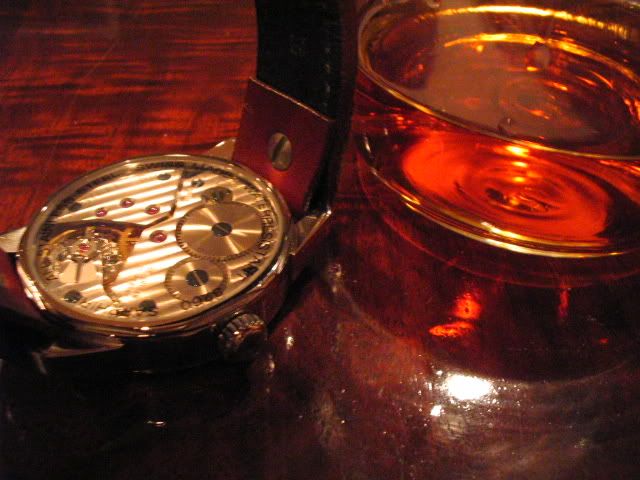
Cognac slows time as well. :D

Any oak aged beverage can qualify, which would also include most wines and even Tabasco pepper sauce, which is aged in oak barrels. Other oak aged spirits are most whiskeys and some rums, and who knows maybe others as well.
One very interesting property of ellagic acid is the ability to relax blood vessels. When blood vessels relax, blood pressure drops. ;-)
Cognac slows time as well. :D
Subscribe to:
Posts (Atom)